

Berlin Museum | Museumsdorf Düppel
A medieval village in Berlin
An open-air museum for the whole family: discover how the villagers of Berlin lived and worked in the Middle Ages. Houses, granaries, gardens and fields, as well as traditional children’s games and archery, await you.
In 1975, Berlin’s Museumsdorf Düppel opened its imposing gates for the first time. Discover how people and animals lived here 800 years ago. Set apart from the bustling city centre, the village showcases the medieval architecture and way of life of the 13th century. This open-air museum, which is unique in Germany, also plays an important role in archaeology. Members of the Museumsdorf Düppel Friends’ Association test medieval techniques and tools in working groups. This brings research to life for you right here in the museum village.
Medieval houses, workshops and animals
Archaeological investigations began in 1967. Scientists discovered the first evidence of a settlement. In 1975, the Düppel Museum Village was finally established on the excavated foundation walls of the former village. Only medieval techniques and tools were used in its construction. Immerse yourself in rural life from days long past. Behind a massive oak palisade, thatched wooden houses are arranged around a horseshoe-shaped village green. They are faithful replicas. Windows did not exist in those days. Some roofs reach right down to the ground. The air smells of tar and charcoal. A medieval plough serves as a reminder of the hard daily life of farmers in those days. The old loom is pure nostalgia. The bakehouse with its oven, the smithy, the pottery workshop and the granary have been reconstructed exactly as they were. Forests, meadows and pastures with sheep, oxen and goats stretch out around the village. The pasture pigs in the meadow are a re-bred breed. Skudden sheep, which were already found on farms in the Middle Ages, also graze in the meadow. The fruit trees are laden with apples, quinces and plums – all historic varieties. Refresh yourself in between visits at a rustic tavern with cool drinks and snacks. Outside of the museum’s regular opening hours, popular festivals and markets take place. For example, the Märkische Winter Austreiben at the end of March or the Märchenwelten with the fairy-tale witch Silberzweig in April.
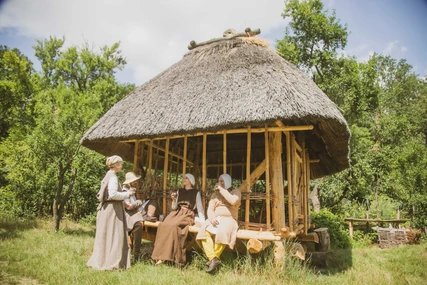
At the open-air museum, you’ll see, amongst other things:
- medieval houses with authentic furnishings
- historic workshops and tools
- a reconstructed well
- farm gardens featuring medieval cereals, ancient medicinal and dye plants
- revived breeds of willow pigs and the Skudden sheep, a breed threatened with extinction
Green oases in the heart of Berlin
In the south-west of Berlin lie outstanding museums and exhibition venues, nestled within an attractive natural and cultural landscape. The ‘Museum District in the Green’ offers leisure and education, history, relaxation and creative inspiration like no other location in the city. Here you’ll find a diverse range of institutions showcasing everything from ancient to modern art, and from natural to cultural history. These are open, vibrant museums and exhibition spaces, all committed to a shared vision: relaxation amidst culture and nature.
The Domäne Dahlem is also one of Berlin’s open-air museums. The former manor, now an open-air museum dedicated to agricultural and food culture, lies a few kilometres north-east of the Düppel Museum Village. Farming has been practised on the site for over 800 years. In a manor house, you can see how a general store and a butcher’s shop operated in the 1920s. A brief history of eating habits in the Culinarium makes for an entertaining read. The atmosphere is also rural amidst a metropolis in the neighbourhood of Lübars in Reinickendorf. In Berlin’s oldest village – first mentioned in 1247 – farmers grow cereals and fodder crops. Visit the family farm. At this traditional Brandenburg farm, children learn how to bake bread, make butter and spin wool. Adults are also welcome to try their hand at pottery, silk painting and glass painting.
Information about the Düppel Museum Village
The Düppel Open-Air Museum is a good quarter of an hour’s journey from Zehlendorf S-Bahn station on buses 115, 118 and 622. It’s just a few minutes’ walk from the bus stop to the open-air museum. Children and young people up to the age of 18 get in for free. You can also get in for free with the Berlin Museum Pass. The site is open at weekends and on public holidays. The museum offers guided tours with activities for school groups and other groups. During these, you can try your hand at traditional craft techniques such as pottery, blacksmithing and spinning.
Information for families and children
On Sundays and public holidays, open guided tours for all ages take place from 11 am. Children learn interesting facts about crafts and everyday life in the Middle Ages. A workshop demonstrates how tar is made from wood. This involves heating resinous wood and collecting the liquid wood tar. The medieval children’s games in the village square are also great fun.


